
Bbdbuy Finds
Spreadsheet
OVER 5000+
WITH QC PHOTOS
Click the images below to browse!
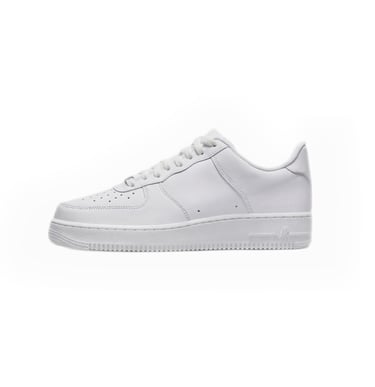
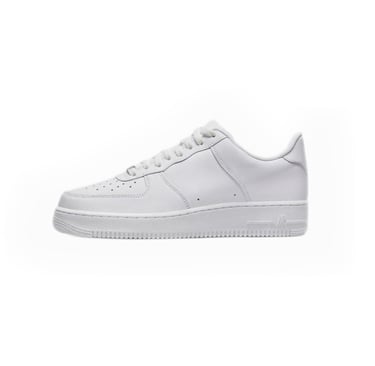
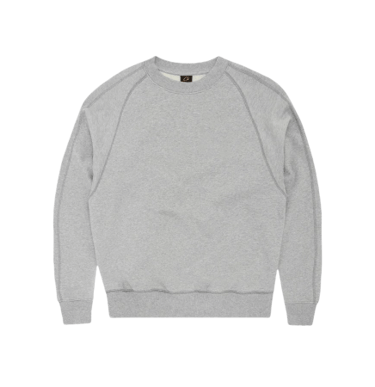
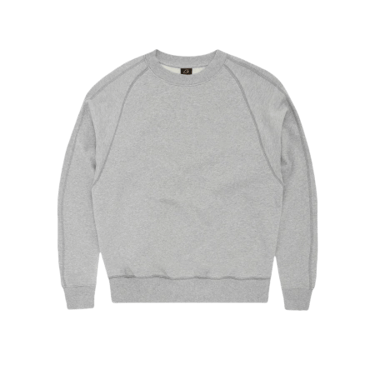
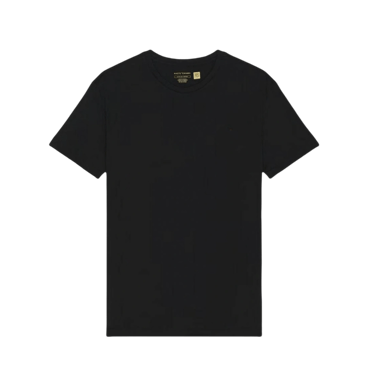
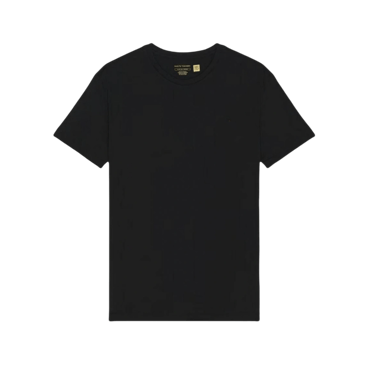
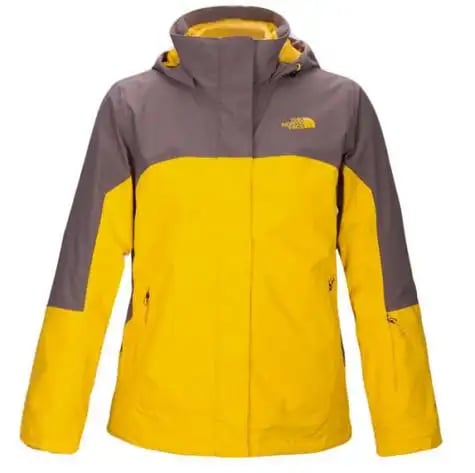
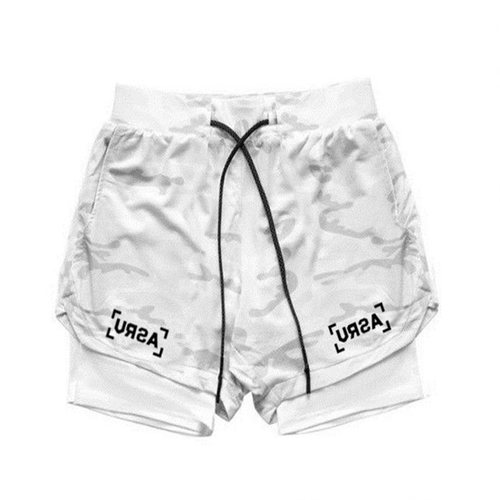
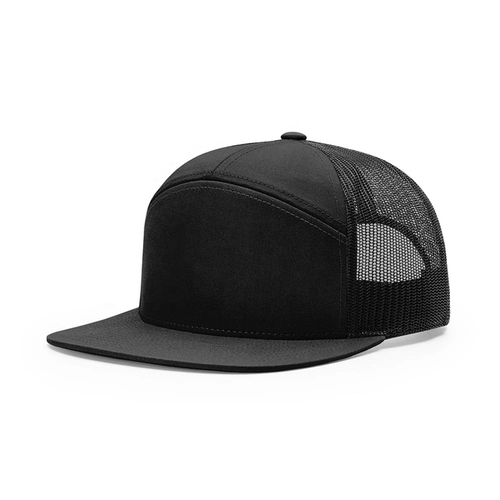
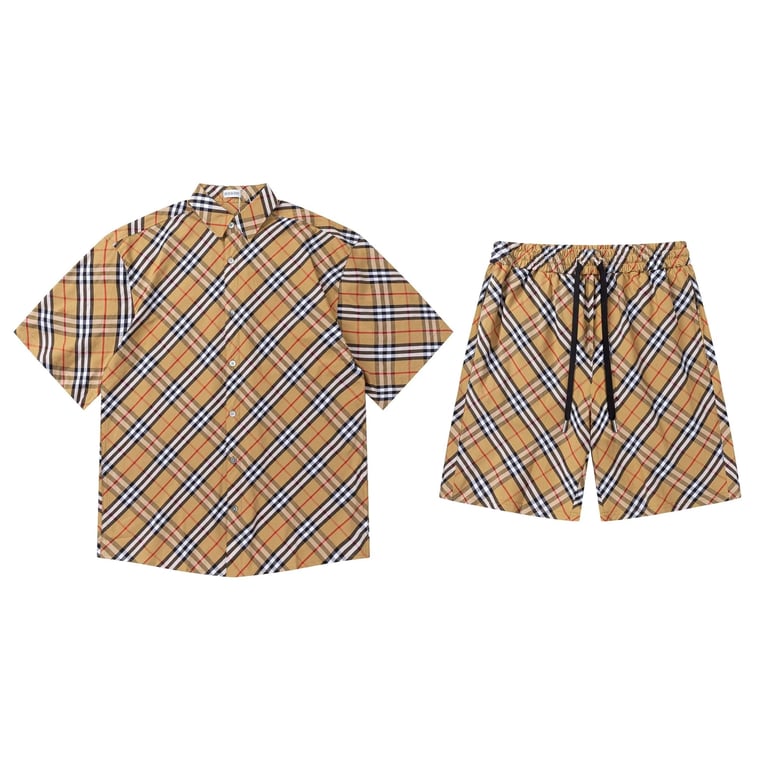
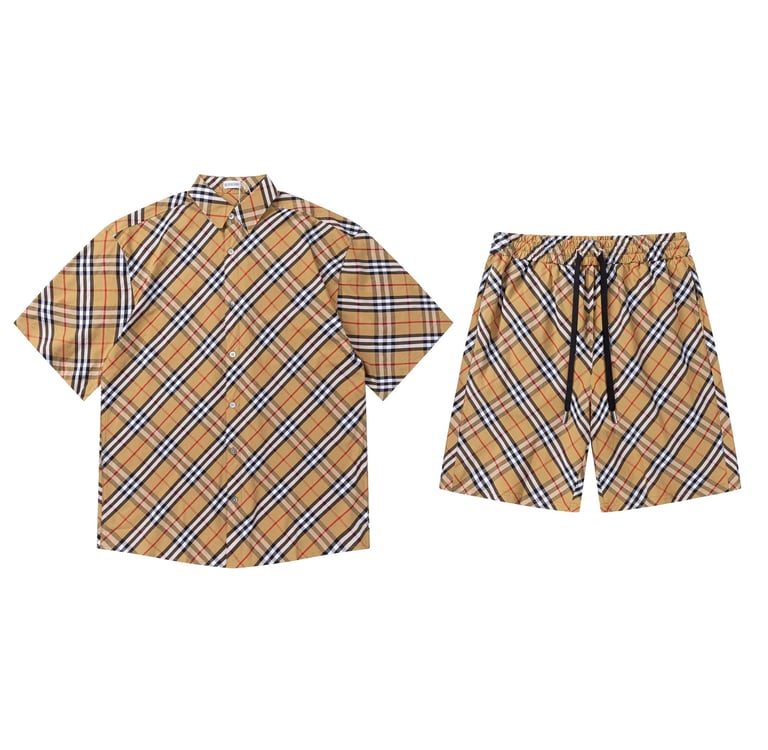
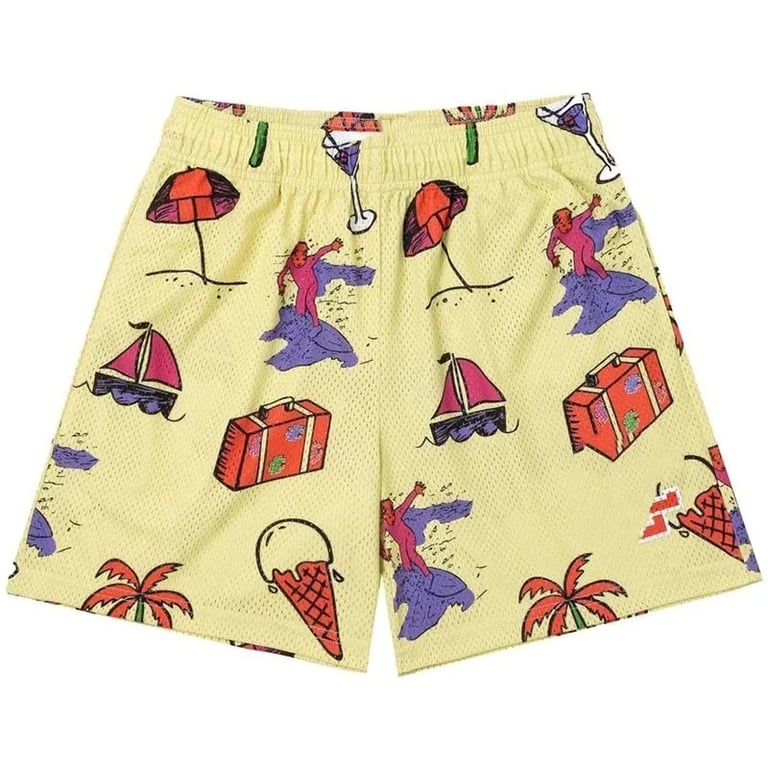
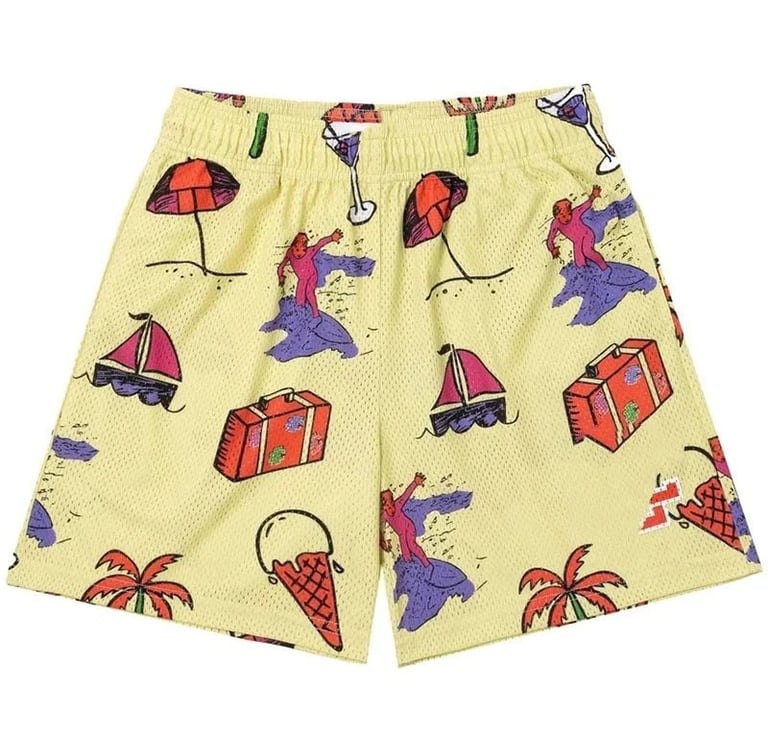
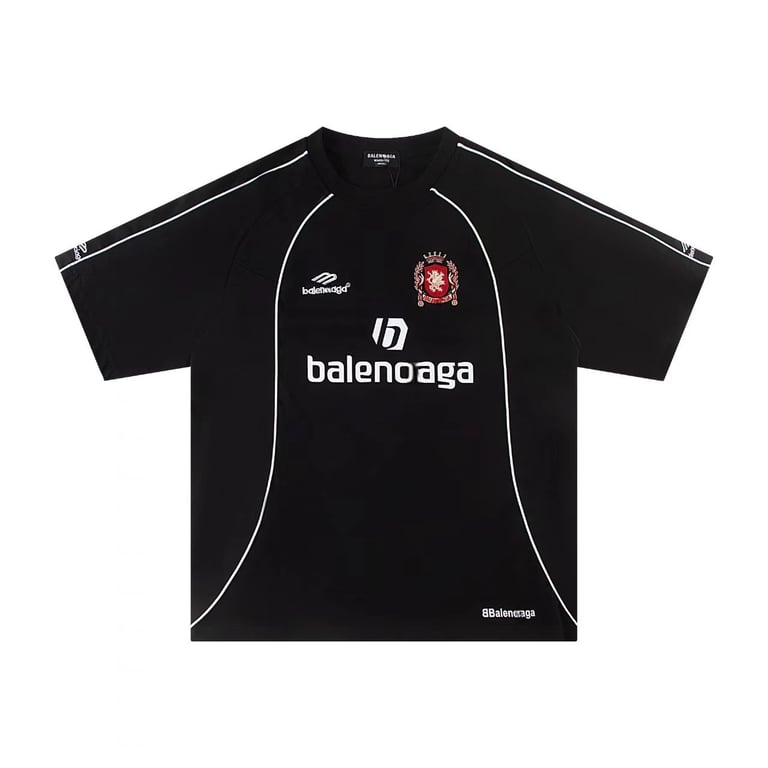
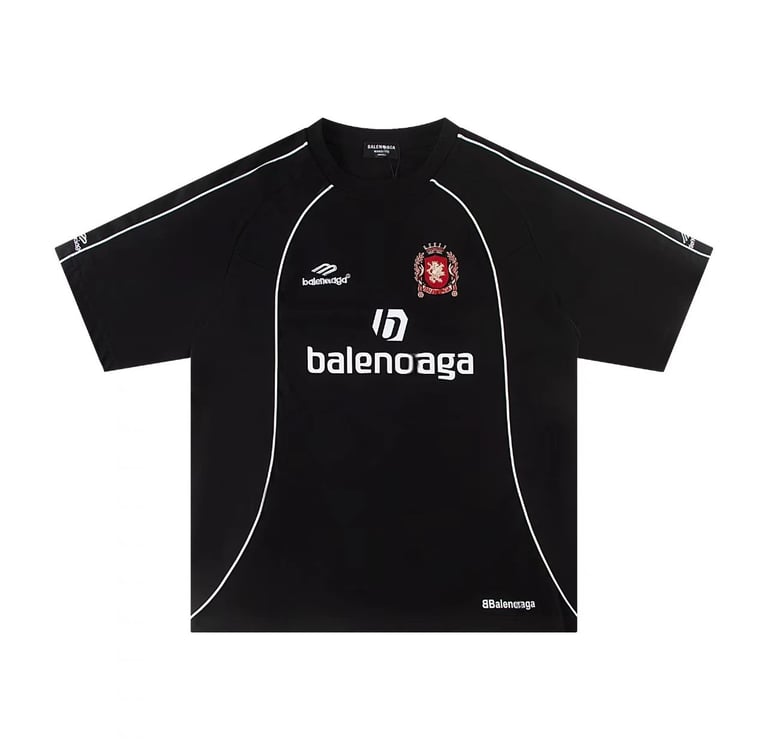
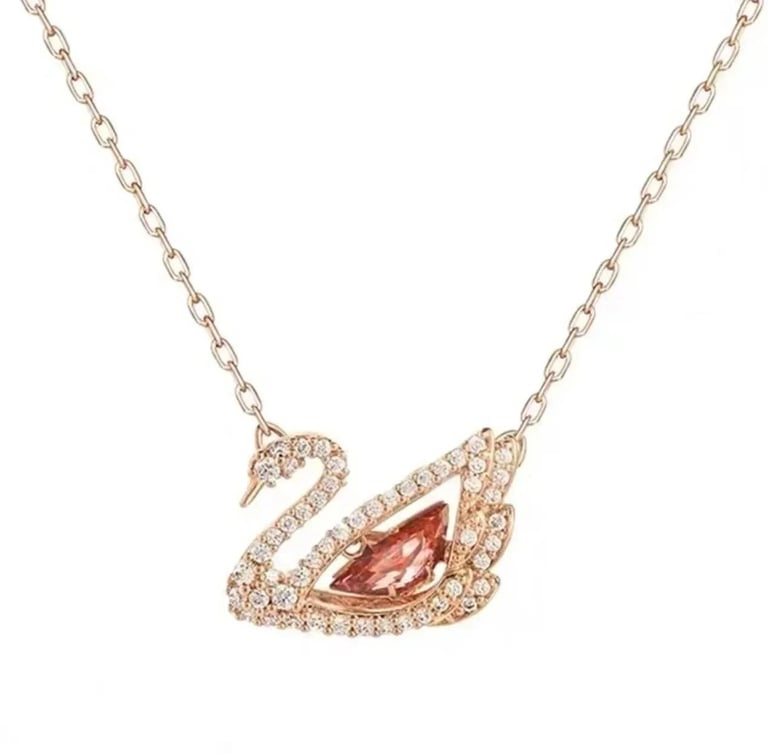
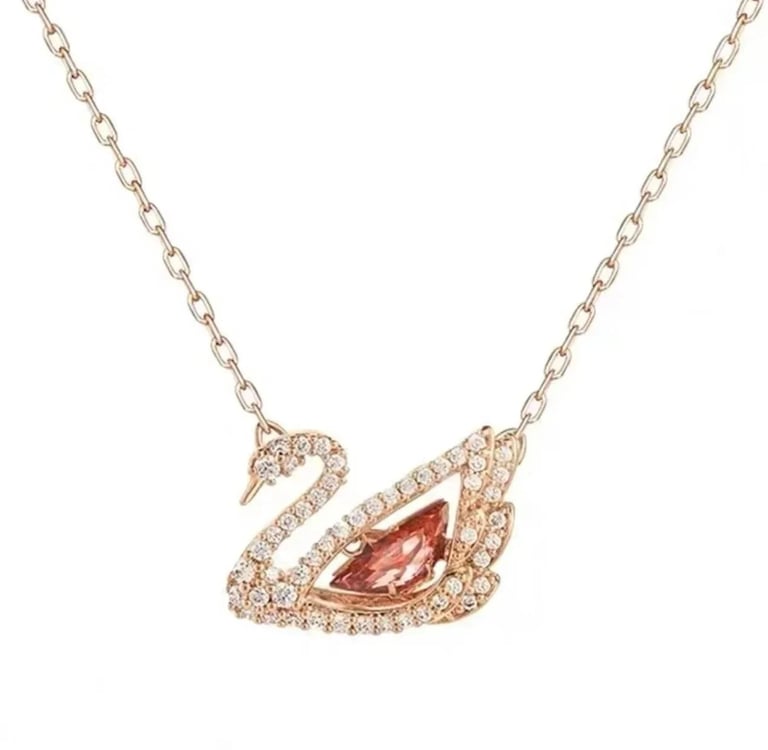
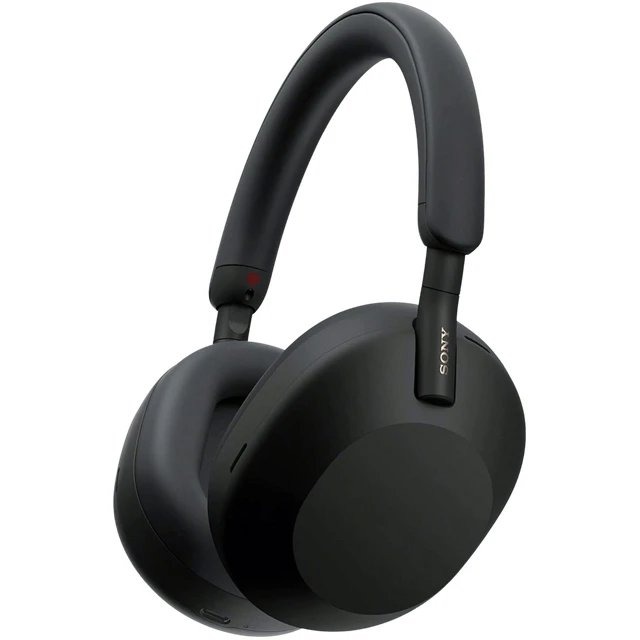
📊 Bbdbuy spreadsheet for browsing trending fashion outfits from cross-border stores|streetwear + seasonal outfits + style matching
🧭 Introduction
Cross-border fashion shopping has become increasingly fast-paced, with users browsing thousands of clothing items across 1688 and micro-stores. The main difficulty is not product availability, but identifying what is actually trending and worth purchasing.
The Bbdbuy spreadsheet solves this issue by structuring fashion products into clear outfit categories, helping users quickly understand streetwear, casual wear, and formal fashion trends in a more organized way.
In addition to scattered product listings, buyers often face inconsistent descriptions, unclear sizing references, and difficulty comparing similar styles across different suppliers. This leads to decision fatigue and increases the chance of mismatched purchases. By introducing structured grouping logic, the spreadsheet transforms browsing into a more predictable and analyzable process.
👕 How to find trending fashion items in cross-border platforms
Finding trending fashion items in cross-border ecommerce is usually unstructured and relies heavily on manual browsing.
Common behaviors include:
Scrolling through supplier listings without clear filtering
Relying on visual similarity instead of category logic
Repeated exposure to similar styles without understanding trends
Judging popularity only by surface-level design repetition
The Bbdbuy spreadsheet improves this by grouping fashion items into structured categories, making trend identification more intuitive and faster.
For example, repeated listings of oversized hoodies, cargo pants, or washed denim jackets indicate a clear shift toward streetwear dominance. Without structured grouping, these patterns are difficult to recognize at scale.
By consolidating similar items into clusters, users can identify which categories are gaining momentum instead of evaluating products one by one.
👟 Streetwear / casual / formal classification system
Fashion products are easier to understand when grouped by lifestyle category rather than isolated product listings.
The Bbdbuy spreadsheet organizes clothing into:
Streetwear: hoodies, sneakers, oversized silhouettes, graphic tees
Casual wear: t-shirts, jeans, lightweight jackets, daily outfits
Formal wear: shirts, blazers, structured trousers, office outfits
This classification helps users quickly understand outfit purpose instead of relying only on product images.
It also reduces confusion between visually similar but functionally different items. For example, two jackets may look similar but differ significantly in cut, fabric density, and intended usage scenario. Structured grouping makes these distinctions clearer.
Over time, users begin to form a mental model of how each category behaves in cross-border markets, improving long-term shopping efficiency.
📊 How Bbdbuy spreadsheet organizes clothing styles
The core advantage of the Bbdbuy spreadsheet is structured fashion browsing.
Products are organized using multiple layers of classification:
Style clustering (streetwear / minimal / formal)
Seasonal grouping (summer / winter / transitional)
Color categorization (neutral tones / bold colors / pastel tones)
Outfit matching layers (top + bottom + shoes logic)
Material grouping (cotton / denim / synthetic blends)
This transforms browsing from random scrolling into structured outfit discovery.
In addition, Bbdbuy links can provide direct access to grouped fashion collections, allowing users to skip irrelevant listings and enter pre-curated product environments. This significantly reduces search time and improves conversion efficiency.
From a behavioral perspective, structured browsing also reduces cognitive overload. Instead of evaluating hundreds of unrelated items, users focus only on a small, relevant subset that matches their intent.
🌍 Differences in fashion preferences across countries
Cross-border fashion shopping is heavily influenced by regional style differences, which directly affect product selection and purchasing decisions.
Typical patterns include:
Asia: clean silhouettes, minimalist styling, soft and neutral color palettes
Europe: structured tailoring, neutral tones, refined fabric focus
United States: oversized streetwear, expressive graphics, layered outfits
The Bbdbuy spreadsheet helps users understand these differences by grouping fashion products according to global style logic rather than isolated listings.
This is especially important for cross-border buyers who may not be familiar with regional fashion standards. Without structured categorization, users often misinterpret popularity signals and choose items that do not align with their target market’s expectations.
Over time, users begin to recognize how certain styles behave differently across regions, improving cross-market decision accuracy.
🧠 Behavioral logic behind fashion selection
Fashion purchasing behavior is strongly influenced by visual repetition, perceived popularity, and emotional response.
In most cases:
Users make outfit decisions within seconds of viewing a product
Repeated exposure increases perceived trend value
Visual grouping strengthens trust in product categories
Structured layouts reduce hesitation during purchase decisions
The Bbdbuy spreadsheet aligns with these behavioral patterns by organizing fashion items into structured browsing layers.
Instead of forcing users to evaluate each product independently, it allows them to compare within meaningful clusters. This mirrors how consumers naturally process fashion information in real shopping environments.
Over time, this leads to more stable purchasing behavior, fewer impulsive decisions, and higher satisfaction with selected items.
✅ Conclusion
The Bbdbuy spreadsheet transforms cross-border fashion shopping from fragmented browsing into a structured outfit discovery system.
By organizing streetwear, casual wear, and formal fashion into clear categories, it helps users identify trends faster, compare styles more efficiently, and make more confident purchasing decisions.
It also improves cross-border shopping clarity by reducing information noise and aligning product discovery with real consumer behavior patterns in global ecommerce environments.


📦 Bbdbuy spreadsheet organizing clothing products into easy shopping categories|tops + pants + jackets + accessories
🧭 Introduction
Cross-border clothing shopping often becomes overwhelming due to the large number of unorganized product listings. Users browsing platforms like 1688 or micro-stores are frequently exposed to mixed categories where tops, pants, jackets, and accessories appear in a single feed without clear structure.
The Bbdbuy spreadsheet solves this problem by organizing clothing products into clear shopping categories, allowing users to quickly locate items based on type, function, and usage scenario. This structured approach reduces browsing time and improves purchase accuracy, especially for cross-border buyers who need efficient decision-making systems.
👕 Tops / Pants / Jackets / Accessories classification system
One of the most effective ways to simplify fashion shopping is by dividing products into core wardrobe categories.
The Bbdbuy spreadsheet organizes items into four main groups:
Tops: t-shirts, shirts, hoodies, sweaters
Pants: jeans, cargo pants, tailored trousers, joggers
Jackets: denim jackets, bomber jackets, windbreakers, coats
Accessories: bags, belts, hats, jewelry
This classification allows users to immediately understand what type of product they are viewing without relying on images alone.
For example, a hoodie and a sweatshirt may look similar visually, but under structured categorization, they are clearly grouped under “tops,” making comparison easier.
This system also helps users build complete outfits step by step instead of browsing randomly.
🔍 How to quickly filter clothing items for purchase
Efficient filtering is one of the biggest advantages of structured shopping systems.
With the Bbdbuy spreadsheet, users can filter products based on:
Category type (tops / pants / jackets / accessories)
Style direction (streetwear / casual / formal)
Material preference (cotton, denim, synthetic blends)
Season suitability (summer / winter / all-season)
Instead of scrolling through hundreds of mixed listings, users can narrow down selections to a small, relevant set of products.
This reduces decision fatigue and helps buyers focus on items that match their actual needs rather than being influenced by irrelevant options.
💰 Clothing selection across different price ranges
Price segmentation is an important part of cross-border shopping behavior, especially when dealing with multiple suppliers.
The Bbdbuy spreadsheet typically organizes clothing into three pricing tiers:
Budget range: basic daily wear, mass-produced items
Mid-range: better materials, improved design consistency
Premium range: higher-quality fabrics, refined tailoring, limited designs
Each price tier corresponds to different purchasing intentions. For example, budget items are often used for daily rotation, while mid-range products are chosen for durability and styling consistency.
By separating products into price bands, users can better align their shopping decisions with actual usage needs instead of random price comparison.
👗 Outfit recommendations by usage scenario
Different clothing categories serve different lifestyle scenarios, and structured grouping makes this easier to understand.
The Bbdbuy spreadsheet supports scenario-based outfit planning such as:
Daily wear: simple tops + jeans + lightweight jackets
Streetwear outfits: oversized hoodies + cargo pants + sneakers
Office wear: shirts + tailored pants + structured jackets
Travel outfits: comfortable tops + flexible pants + utility jackets
This helps users move from single-product thinking to complete outfit building.
Instead of selecting isolated items, users can visualize how each piece fits into a full outfit combination.
This improves both styling consistency and overall satisfaction after purchase.
🧠 Clothing retail classification logic in cross-border ecommerce
In cross-border retail environments, product organization plays a critical role in user decision-making efficiency.
The Bbdbuy spreadsheet reflects a structured retail logic based on:
Functional classification (what the item is used for)
Visual grouping (how it looks in combination with other items)
Usage context (when and where it is worn)
Purchase intent alignment (why the user is buying it)
This system mirrors how professional retail platforms structure inventory, ensuring users are not overwhelmed by unorganized listings.
Instead of browsing thousands of unrelated products, users interact with a simplified, logically grouped system that reflects real purchasing behavior patterns.
Over time, this improves product discovery accuracy and reduces mismatched purchases across cross-border platforms.
🧾 Conclusion
The Bbdbuy spreadsheet simplifies cross-border clothing shopping by organizing products into clear and practical categories such as tops, pants, jackets, and accessories.
By combining structured filtering, price segmentation, and scenario-based outfit planning, it allows users to move from random browsing to efficient decision-making.
This category-based system improves shopping speed, reduces confusion, and aligns product selection with real-world usage needs in global ecommerce environments.